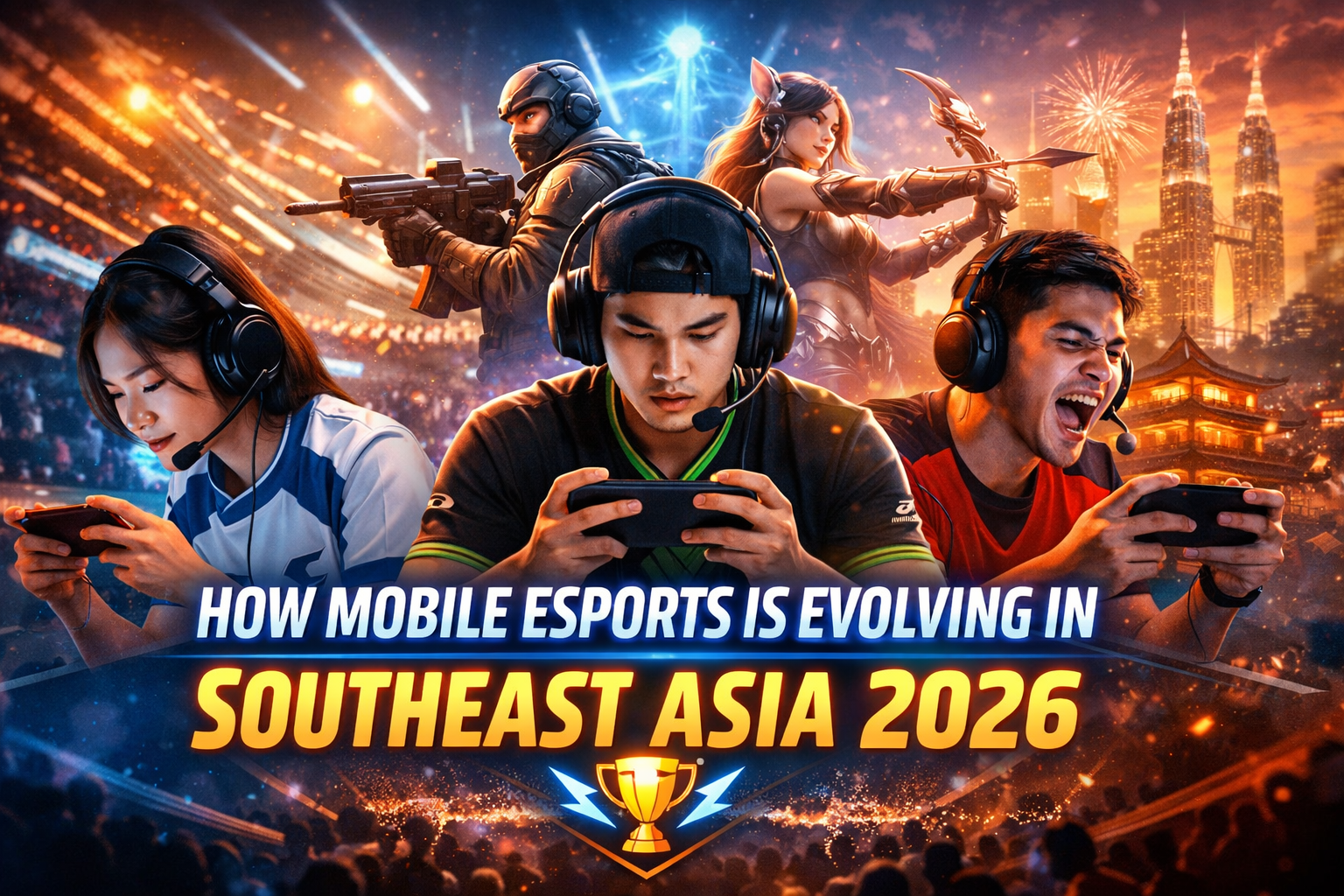
The Rapid Growth of Mobile Esports in Southeast Asia
Mobile esports has transformed from a niche segment into one of the most dynamic sectors within the global gaming ecosystem. Across Southeast Asia, the accessibility of smartphones and widespread internet connectivity have made competitive gaming more inclusive than ever. Players no longer need expensive hardware setups to compete at a high level, opening doors for a new generation of esports enthusiasts.
This rapid growth is supported by a strong community culture, where grassroots tournaments and online competitions continue to thrive. From casual weekend events to professionally organized leagues, mobile esports is now deeply embedded in the region’s gaming identity.
Key Trends Shaping Mobile Esports in 2026
1. Increased Investment from Major Brands
One of the most significant drivers behind the rise of mobile esports is the increasing involvement of global and regional brands. Sponsorship deals, partnerships, and advertising investments have elevated the professionalism of tournaments. This influx of funding not only improves prize pools but also enhances production quality, making events more engaging for viewers.
2. Professional League Structures
Structured leagues are becoming more common, providing players with a clear pathway to competitive success. Instead of relying solely on one-off tournaments, many games now feature seasonal leagues with rankings, playoffs, and championships. This consistency allows players to build long-term careers and gain recognition within the esports ecosystem.
3. Growth of Streaming and Content Creation
Streaming platforms have played a crucial role in expanding the reach of mobile esports. Aspiring players can now build personal brands while showcasing their skills to a global audience. Content creation has become a parallel career path, offering additional income streams and increasing visibility for competitive players.
4. Improved Mobile Technology
Advancements in smartphone hardware have significantly improved the gaming experience. High refresh rate displays, powerful processors, and optimized cooling systems allow players to compete with minimal lag and maximum performance. These improvements help bridge the gap between mobile and traditional esports platforms.
Popular Mobile Esports Titles Driving the Scene
Several titles continue to dominate the competitive landscape, attracting millions of players and viewers. Multiplayer online battle arena (MOBA) games, battle royale titles, and tactical shooters remain at the forefront of mobile esports.
These games are designed with competitive balance in mind, offering ranked systems, regular updates, and seasonal content that keep players engaged. Developers also actively support esports initiatives, organizing official tournaments and collaborating with event organizers to sustain competitive interest.
The Role of Community and Grassroots Tournaments
While professional leagues receive much of the spotlight, grassroots tournaments remain the backbone of mobile esports. Local communities organize events that provide opportunities for new players to gain experience and exposure. These competitions often serve as stepping stones for aspiring professionals.
Community-driven initiatives also foster a sense of belonging among players. Whether competing in small online brackets or participating in local events, players develop skills, build networks, and gain confidence in a supportive environment.
Opportunities for Aspiring Players
Building Competitive Skills
Success in mobile esports requires more than just quick reflexes. Players must develop strategic thinking, teamwork, and communication skills. Consistent practice, reviewing gameplay, and learning from experienced players are essential steps toward improvement.
Joining or Forming Teams
Team-based games dominate the esports scene, making collaboration a key factor in success. Players can either join existing teams or create their own, focusing on synergy and shared goals. Strong team dynamics often determine the outcome of competitive matches.
Participating in Online Tournaments
Online tournaments provide accessible entry points for players looking to compete. Many platforms host regular competitions with varying skill levels, allowing players to gradually build their competitive experience.
Leveraging Social Media and Streaming
Establishing an online presence can significantly enhance a player’s career prospects. Sharing gameplay highlights, streaming matches, and engaging with audiences can attract sponsors and team opportunities.
Challenges Facing Mobile Esports
Device Performance Variability
Not all players have access to high-end devices, which can create disparities in performance. While developers strive to optimize games for a wide range of hardware, differences in device capabilities can still impact competitive fairness.
Connectivity Issues
Stable internet connections are crucial for competitive play. Inconsistent connectivity can affect gameplay quality and tournament outcomes, highlighting the importance of reliable network infrastructure.
Balancing Competitive Integrity
Maintaining fair play is essential for the credibility of mobile esports. Anti-cheat systems, rule enforcement, and transparent tournament structures are necessary to ensure a level playing field for all participants.
The Future of Mobile Esports in Southeast Asia
Looking ahead, mobile esports is expected to continue its upward trajectory. With ongoing technological advancements and increasing support from developers and sponsors, the ecosystem is becoming more robust and sustainable.
Educational institutions and training programs are also beginning to recognize esports as a legitimate career path. This shift in perception further legitimizes mobile esports and encourages more players to pursue competitive gaming seriously.
As the industry evolves, collaboration between stakeholders will be key to sustaining growth. Developers, organizers, players, and communities must work together to create an inclusive and competitive environment that benefits everyone involved.
Why Mobile Esports Matters for the Gaming Community
Mobile esports represents more than just competition; it reflects the broader evolution of gaming culture. By making competitive gaming accessible to a wider audience, it empowers players from diverse backgrounds to showcase their talents.
This inclusivity is one of the defining characteristics of mobile esports. It breaks down traditional barriers and creates opportunities for individuals who may not have had access to competitive gaming in the past.
For aspiring players, understanding these trends is the first step toward navigating the competitive landscape. With dedication, strategic planning, and a willingness to learn, anyone can become part of this rapidly growing ecosystem.